Prologis Report Signals End of Globalization Era for Supply Chains
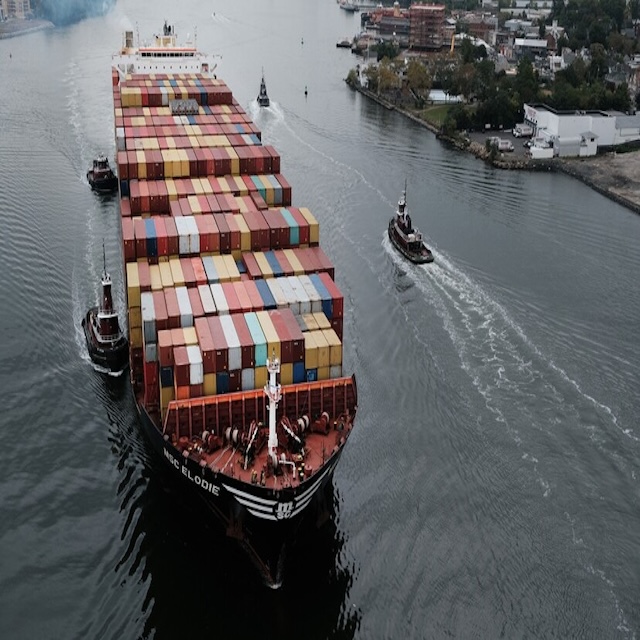
The global supply chain is undergoing a transition driven by prioritization of AI-based decision making, regional self-sufficiency and energy resilience, according to Prologis’ 2026 supply chain outlook.
The majority of global business leaders surveyed by Prologis expressed optimism about 2026 supply chain performance, but many are implementing changes to address potential risks. More than half said they have deployed new technology or installed risk monitoring systems, and nearly half said they have increased safety stock in response to recent disruptions.
A new emphasis on localized production is aligning the supply chain around major cities and moving operations closer to end markets, a departure from the historical strategy of chasing the cheapest global labor. About 58% of business leaders said they expect more regionalized supply chains by 2030, and more than three-quarters indicated they are already implementing regional self-sufficient networks. Only 31% said they expect continued globalization.
“This represents a fundamental shift from cost-optimization to risk-mitigation as the primary business strategy,” said Prologis. “Organizations must prepare for a post-globalization era where proximity and control outweigh traditional cost advantages. Strategic planning must account for higher operational costs offset by reduced risk exposure and improved operational reliability, marking the end of the globalization era in supply chain design.”
Seventy percent of organizations worldwide said they have implemented transformational or advanced AI, and by 2030, business leaders expect AI to drive the majority of supply chain decisions across all major functions, said the report. About one-quarter of leaders surveyed said they have already achieved AI-driven decision-making as a standard. As such, AI was the top investment priority among business leaders, with three-quarters saying it is their most important priority, followed by supplier relationships, automation and energy efficiency.
“The gap between AI leaders and laggards will widen rapidly, making immediate strategic commitment to AI implementation essential for long-term competitiveness,” said the report.
Energy disruptions are a major concern for business leaders, with 89% saying they have experienced energy-related disruptions in the past year. Eighty-three percent said energy reliability is likely to be the next major supply chain crisis, especially as power requirements are expected to increase up to 50% over the next five years, largely driven by AI power demands.
Energy efficiency now outranks labor costs and tariffs as the top driver of location decisions. Nearly all business leaders surveyed said they are willing to pay premium prices for reliable energy infrastructure. About 80% of those surveyed said they would relocate once logistics costs increase 16% or more, and a similar percentage said they’d relocate after one to five major power outages per year.
“Companies need comprehensive energy strategies that address both current
vulnerabilities and future capacity requirements, making energy infrastructure a core competency rather than a supporting function,” said Prologis.
Source: GlobeSt/ALM