Multifamily and Industrial Set for Vacancy Drops in 2026
The U.S. commercial real estate market is poised to enter 2026 with stabilizing fundamentals, stronger investor confidence and transaction volume projected to rise 15–20%. Across sectors, leasing and sales activity are gaining momentum, with pricing largely finding a floor and cap rate spreads normalizing, according to Colliers' 2026 Commercial Real Estate Outlook Report.
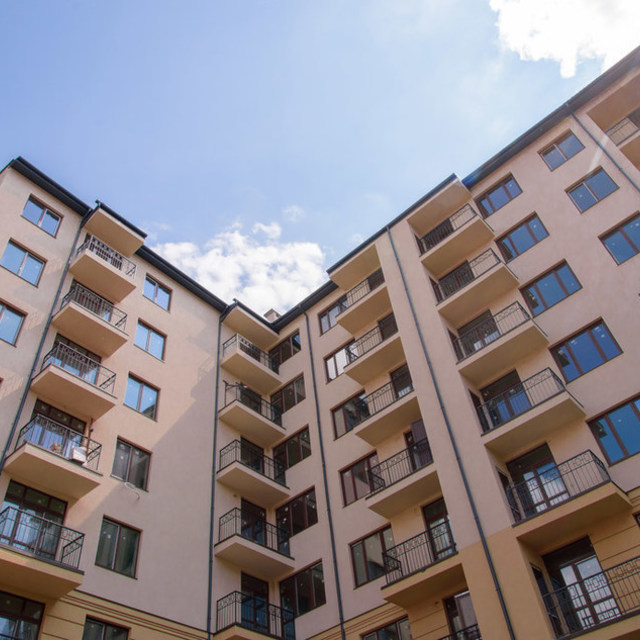
Multifamily remains the leader in sales volume, with occupancy expected to improve in 2026, supported by high home prices and constrained new supply. Operational efficiency and resident retention will be key amid rising costs, while selective development targets middle-market units. This sets the stage for stronger rent growth in 2027 and 2028.
Industrial space under construction has dropped 62% since 2022, nearing its cyclical low, while demand from logistics, manufacturing, data centers and R&D continues to strengthen. Net absorption is expected to exceed 220 million square feet, up 37% from 2025. Supply constraints, reshoring initiatives and policy programs like the CHIPS Act support steady growth, while rent gains remain modest between 1% to 4%.
Vacancy in the office sector is expected to fall below 18% by year-end, supported by rising demand and limited new construction. AI companies are driving leasing in key markets, while hybrid work reshapes corporate campuses with tech-enabled, adaptable and hospitality-inspired designs. New owners are repositioning underperforming assets, converting obsolete properties to mixed-use or upgraded spaces and asking rents are projected to rise between 1–2% as the markets approach balance.
Retail development remains limited due to high construction and financing costs, sustaining performance despite uneven demand. Vacancy is expected to stay steady and rents are projected to rise around 1.5%, led by Southern and Western metros. Retailers are leveraging AI and experiential formats to engage consumers, while demand is increasingly polarized between value-conscious and luxury segments.
Data centers continue to see near-historic low vacancies driven by enterprise AI adoption. However, power limitations and community opposition are limiting speculative development, while lease rates rise. Investor activity is robust, with CMBS and private capital fueling expansion, though infrastructure limits will continue to shape delivery timelines.
Healthcare is increasingly decentralized, with medical office buildings, outpatient centers and ambulatory facilities expanding closer to patient populations. Occupancy of MOBs remains high at 92.5%, and rents are rising about 2%. Integration of AI and other technologies is enhancing operational efficiency and patient experience, sustaining investor demand.
In life sciences, onshoring, AI-driven research and recovering valuations support leasing opportunities, even as vacancy remains elevated. Limited speculative construction and improving venture capital flows may drive absorption and demand for GMP facilities in 2026.
Upscale and luxury hospitality properties are outperforming, fueled by high-income travelers, while midscale and economic hotels face more price-sensitive domestic demand. Generative AI tools are influencing travel planning, with guests increasingly seeking local and unique experiences. Supply growth remains modest at 1.3% and net operating income growth is subdued.
Source: GlobeSt/ALM