Power Becomes the New Site Selector in Logistics Real Estate
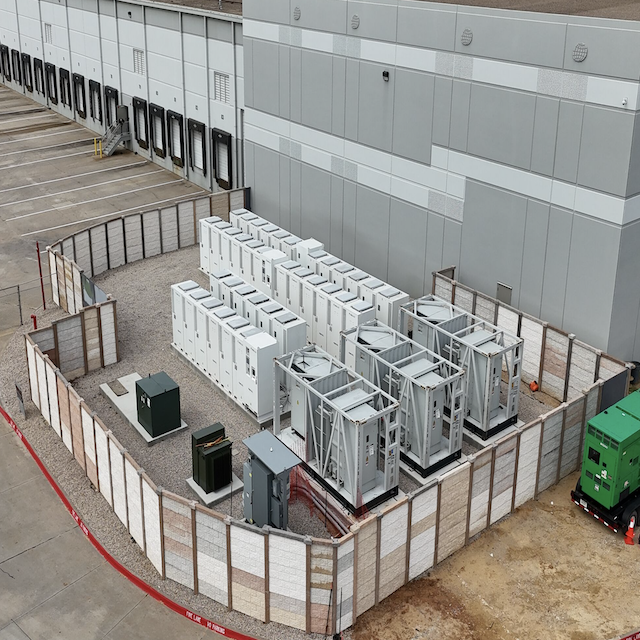
With grid constraints mounting and power reliability under strain, logistics real estate is emerging as a platform for energy innovation ? not just supply chain support, according to a Prologis white paper. Historically, sites were chosen for proximity to ports, highways and labor pools, but today, energy readiness is equally critical. Electric fleets, automated facilities, and high-performance data environments are reshaping logistics, where operational continuity increasingly depends on reliable, scalable power.
Companies are increasingly seeking facilities with on-site generation, microgrids and advanced energy management systems to maintain uptime, control costs and stay ahead in a rapidly evolving energy landscape. Partnerships among landlords, tenants and utilities are creating flexible regional energy ecosystems, strengthening grids and ensuring continuity. Warehouses and distribution centers are evolving into hubs of innovation, delivering reliable, efficient power that supports logistics growth, sustainability goals and long-term resilience, the white paper said.
Proximity to transportation corridors and population centers still provides advantages such as faster fulfillment and lower costs, but facilities equipped with on-site generation, battery storage, microgrids and electrification capacity are positioned for long-term resilience and scalability, Prologis noted.
Leased distribution centers often face challenges investing in energy infrastructure when payback periods exceed lease terms. Prologis has introduced a distributed energy model, investing in solar, storage and on-site generation while tenants access power through energy service agreements.
?We take on the vacancy risk so we can make power payments align with the lease length, providing customers with power at a competitive price,? said John Hoekstra, head of enterprise sustainability at Prologis.
?We help them meet their sustainability goals without having to hand over large amounts of capital.?
Shared generation solutions, like community solar, provide renewable energy and flexible backup for multi-tenant or rooftop-limited sites. These approaches strengthen site resilience and regional energy ecosystems, aligning tenant needs with long-term value.
Data centers are among the most energy-intensive users today, often requiring 50 MW or more per site, far beyond typical industrial parks. Power comes primarily from the grid, while standby generation and demand-response programs help manage load and provide flexible backup. These strategies offer lessons for logistics facilities seeking operational continuity under growing energy demands.
As commercial fleets shift to zero-emission vehicles, logistics facilities must deliver power, not just space. On-site solutions like microgrids and linear generation are being deployed to meet EV charging demand. By designing facilities with charging infrastructure in mind ? accounting for space, load requirements and permitting ? real estate partners can help tenants accelerate adoption, the white paper notes.
Source: GlobeSt/ALM