Natural Disasters Spur Temporary Surge in Climate-Risk Home Searches
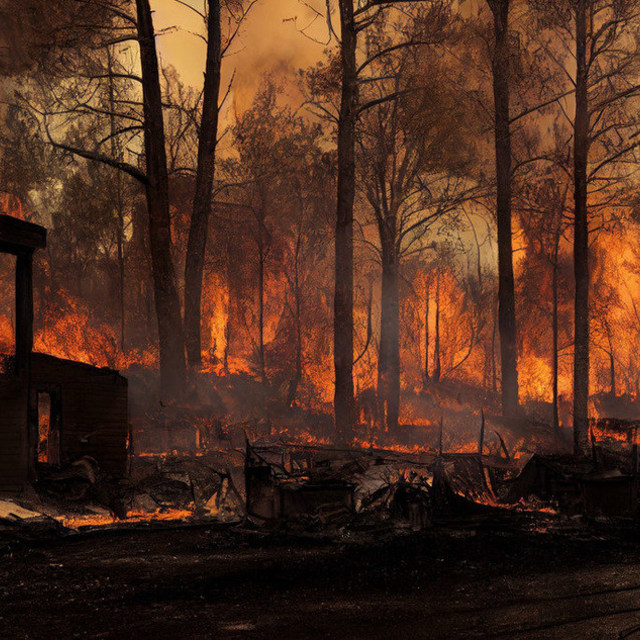
Homebuyers are paying more attention to climate risk when searching for homes in the wake of natural disasters, though engagement on the topic tends to diminish over time, according to a Redfin report.
“Humans often have short memories when it comes to natural disasters,” said Redfin Chief Economist Daryl Fairweather.
“A major fire or storm can jolt homebuyers into paying attention to climate risk because the event feels fresh and likely to happen again, but this urgency is fleeting.”
For example, before the devastating Los Angeles wildfires earlier this year, Redfin users clicked on the climate-risk section of California listings 4.2% of the time on average. That percentage jumped to 5.7% the day the fires started and spiked to 7.8% four days later, before returning to pre-fire levels by the end of March.
Florida saw a similar pattern during the 2024 hurricane season, which included Hurricane Helene in late September and Hurricane Milton in early October. In the 90 days before Hurricane Helene, users clicked into climate-risk data on Florida listings 8% of the time. By Sept. 29, three days after Helene made landfall, the rate rose to 9.4% and peaked at 16.3% on Oct. 7, the day a flood watch was issued ahead of Hurricane Milton. By mid-October, engagement returned to pre-Helene levels. Georgia, North Carolina and South Carolina were also affected by these storms but saw smaller increases in climate-risk engagement, according to the report.
A Redfin-commissioned survey of 4,000 U.S. residents found that more than two-thirds consider living in a low-risk area non-negotiable. While many still live in high-risk areas, the trend toward relocating from flood-prone regions is gaining momentum.
Nationally, the 2024 hurricane season and 2025 Los Angeles wildfires temporarily increased clickthrough rates. The national rate rose from 3.3% the week before Hurricane Helene to 4.1% the week Hurricane Milton made landfall, then fell back to pre-Helene levels by late October. In California, the rate climbed from 3.5% the week before the wildfires to 3.9% the week of the fires, returning to pre-fire levels about three months later. The faster recovery in Florida likely reflects residents’ greater familiarity with hurricanes compared with the sudden shock of California wildfires.
States with the highest climate-related engagement in Q3 2025 included Mississippi (9.6%), Louisiana (9.2%), Vermont (8.9%), West Virginia (8.3%) and Florida (7.2%). Mississippi and Louisiana rank highest in the Climate Vulnerability Index, with Louisiana also facing some of the nation’s highest homeowners' insurance costs due to elevated flood and storm risk. The lowest climate-related engagement came in Washington, D.C. (2.4%), Nevada (3.2%), Nebraska (3.3%), Minnesota (3.4%) and Arizona (3.4%).
Source: GlobeSt/ALM