Gen Z Forces Retailers To Get Creative With Experiences
Generation Z is no longer an emerging segment. They are now a defining force reshaping luxury retail, commercial real estate and the broader consumer economy, according to Newmark's 2025 Luxury Retail Report.
The younger Americans make up 21% of the U.S. population and are entering adulthood with growing economic power; U.S. households aged 18–34 in 2025 have a real net worth 170% higher than the same age group in 2019.
This generation prioritizes sustainability, with 60–65% willing to pay a premium for environmentally responsible products and values immersive in-store experiences, with 84% defining luxury as an exceptional physical store visit. Social discovery is equally important, with over 60% saying they prefer user-generated content over traditional advertising, relying heavily on influencers and peer recommendations to shape purchasing decisions and brand engagement, Newmark said.
Gen Z’s behavioral patterns are reshaping retail strategies. They research extensively via smartphones before visiting stores, comparing products, checking reviews and ensuring authenticity. The age group demands frictionless checkout, touchless payments and seamless omnichannel integration. Plus, higher-spending consumers increasingly use AI tools for brand discovery and personalized shopping.
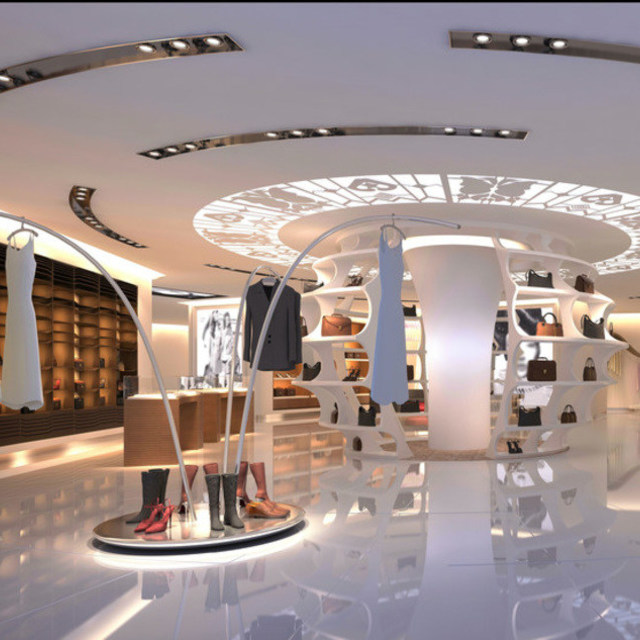
Physical stores remain essential, but they must be immersive, personalized and Instagram-ready, blending shopping with social experiences. Long lines or limited payment options can lead to abandoned purchases, highlighting the importance of convenience.
Luxury retailers are adapting through experience-driven stores, sustainable programs and influencer-led engagement. Initiatives like Louis Vuitton’s repair network and Chanel’s Nevold circular materials hub demonstrate actionable sustainability, while partnerships with culturally relevant artists and influencers engage Gen Z in authentic ways. Flagship stores are evolving into lifestyle destinations, incorporating cafes, beauty bars or wellness spaces to foster community and storytelling.
This presents a clear opportunity for mixed-use, tech-enabled and experience-rich environments in markets where the Gen Z population growth intersects with rising household incomes. High-street districts and lifestyle centers that seamlessly integrate digital and physical experiences are best positioned to attract long-term luxury tenants seeking to engage this influential, tech-savvy generation.
Source: GlobeSt/ALM